In the modern classroom, the physical environment is far more than a backdrop; it is a functional tool that can either act as a barrier or a bridge to engagement. For students with diverse learning needs, particularly those in Special Education (SPED) programs or those who are neurodiverse, intentional design is a prerequisite for academic and social success.
Truly inclusive design moves beyond basic accessibility to focus on learner-centered environments that actively create opportunities for students to demonstrate their unique skills, talents, and strengths in a wide variety of modalities. By systematically implementing features for sensory regulation, fostering student agency, and employing flexible boundaries, classrooms can be transformed into learning environments that maximize engagement for every student.
The Foundation of Inclusive Design
To support all types of learners, educators must move beyond the “one-size-fits-all” model. Consider these three core pillars when curating inclusive spaces:
Sensory Regulation and Zoned Learning
Neurodiverse learners often experience sensory input with heightened intensity. A classroom that is visually cluttered or acoustically “bright” can lead to rapid cognitive overload.
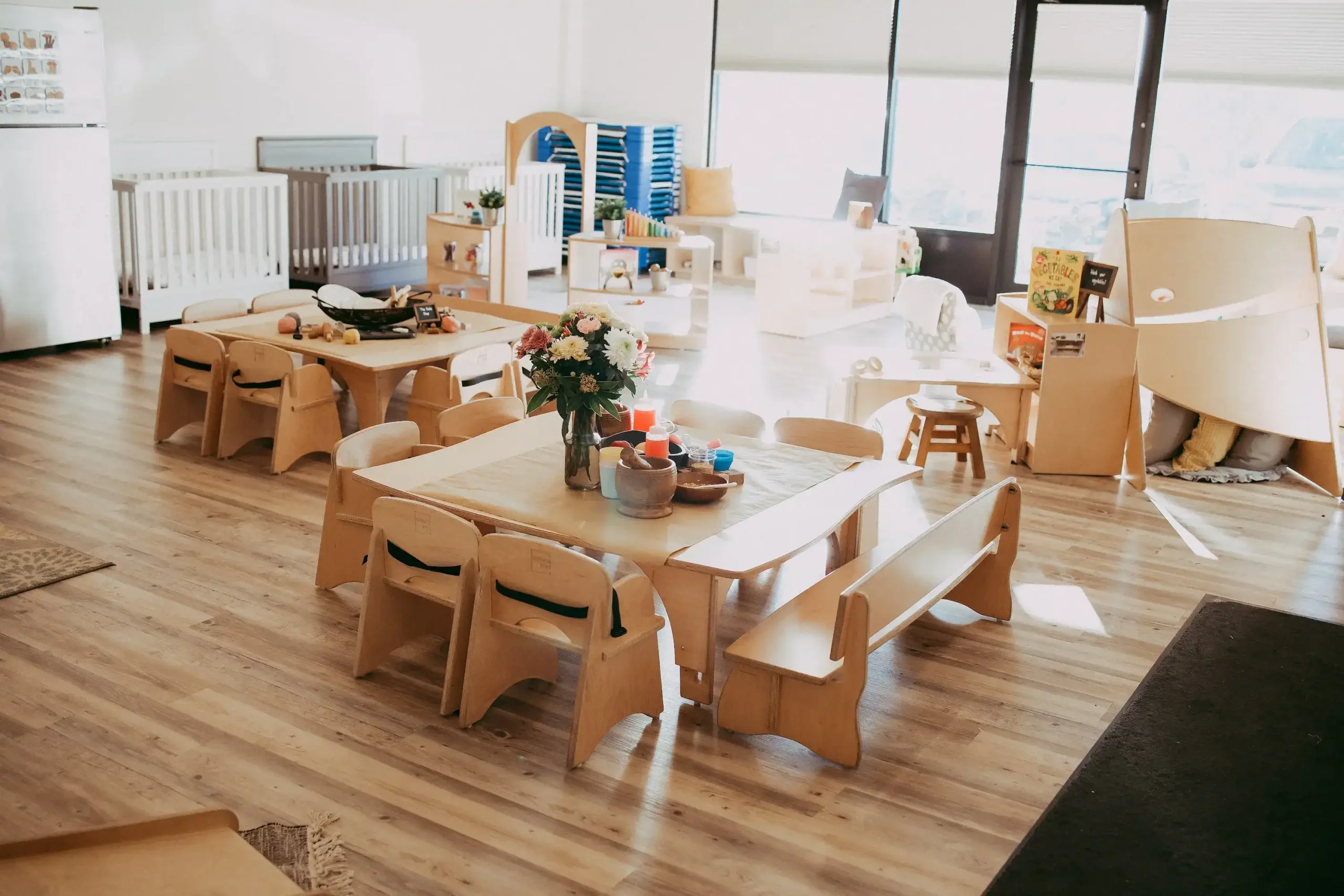
Acoustic Comfort: Incorporate natural materials like wood, cork, or felt to dampen sound. Natural fibers and wood surfaces have a softening effect on classroom acoustics compared to plastic or metal.
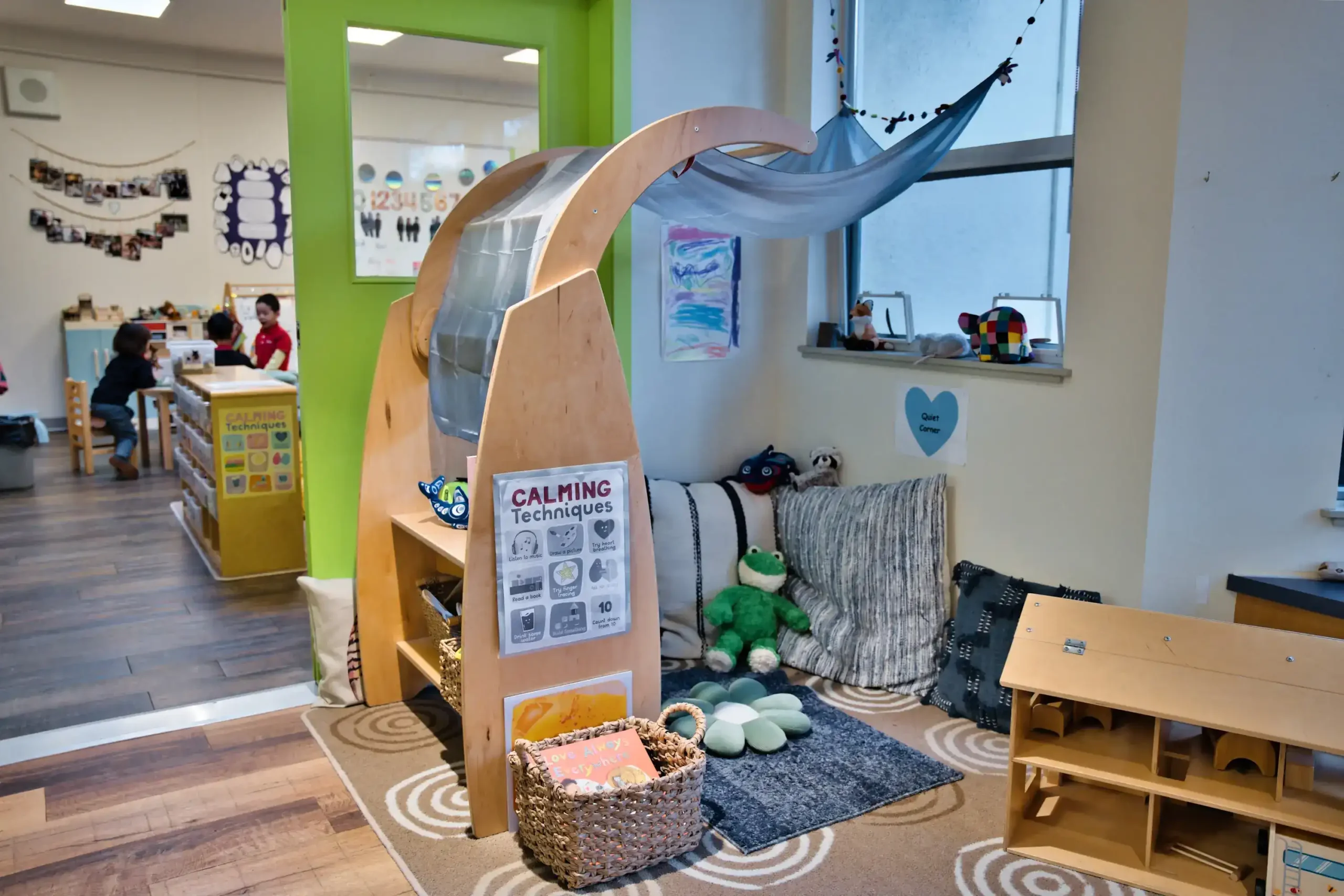
Defined Zones: Clearly define high-activity zones for collaborative work and dedicated “Low-Sensory Nooks” for decompression. These quiet retreats give students a space to self-regulate before returning to group tasks.
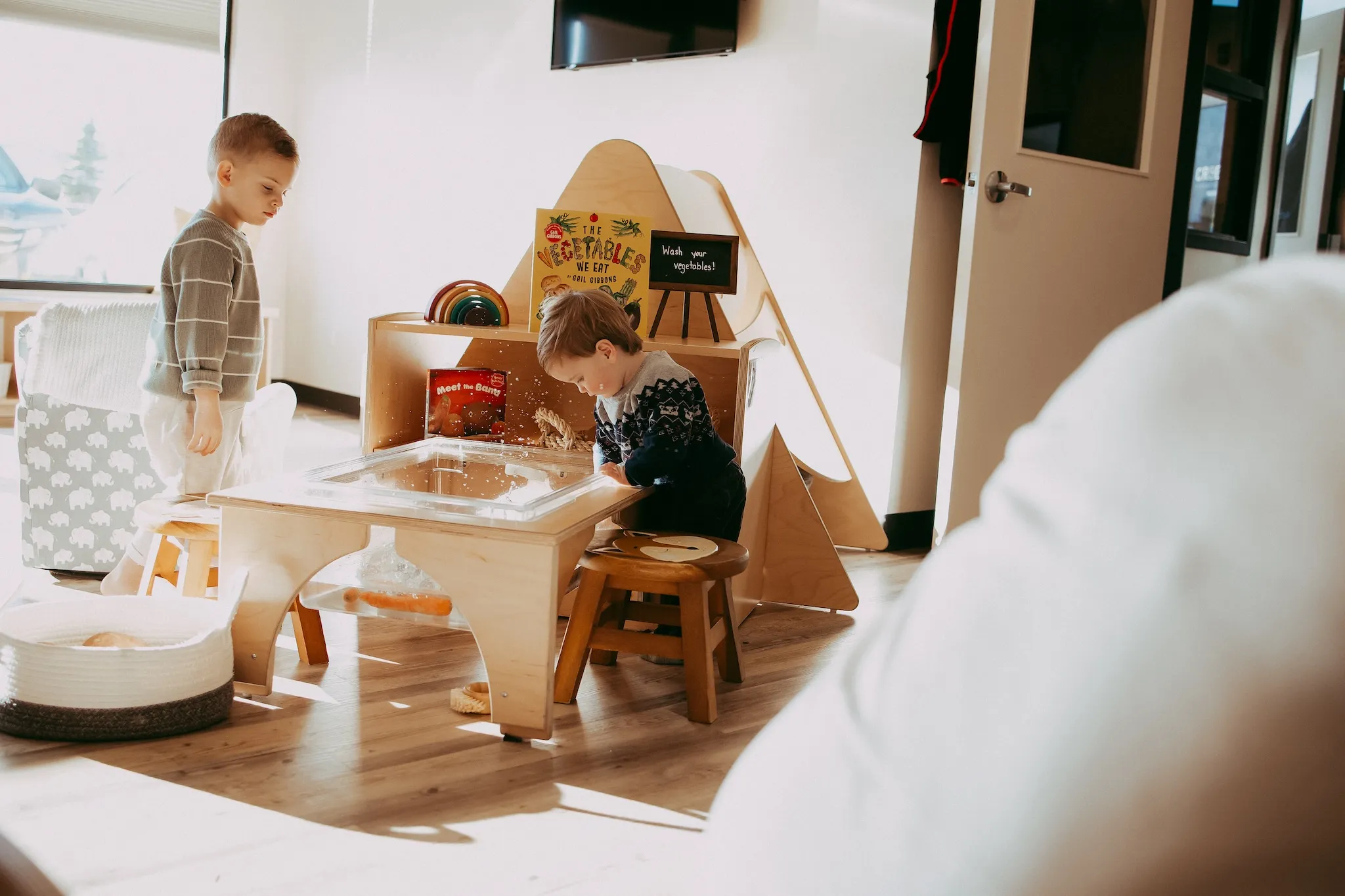
Tactile Grounding: Provide dedicated sensory stations where students can engage with physical effort—moving sand, water, or stones. This tactile feedback is essential for grounding students who feel overstimulated.
Movement and Proprioceptive Support
Research indicates that movement is a fundamental requirement for many learners to process information effectively. Rethinking classroom design through the lens of movement allows students to seek the input they need to stay alert and engaged.
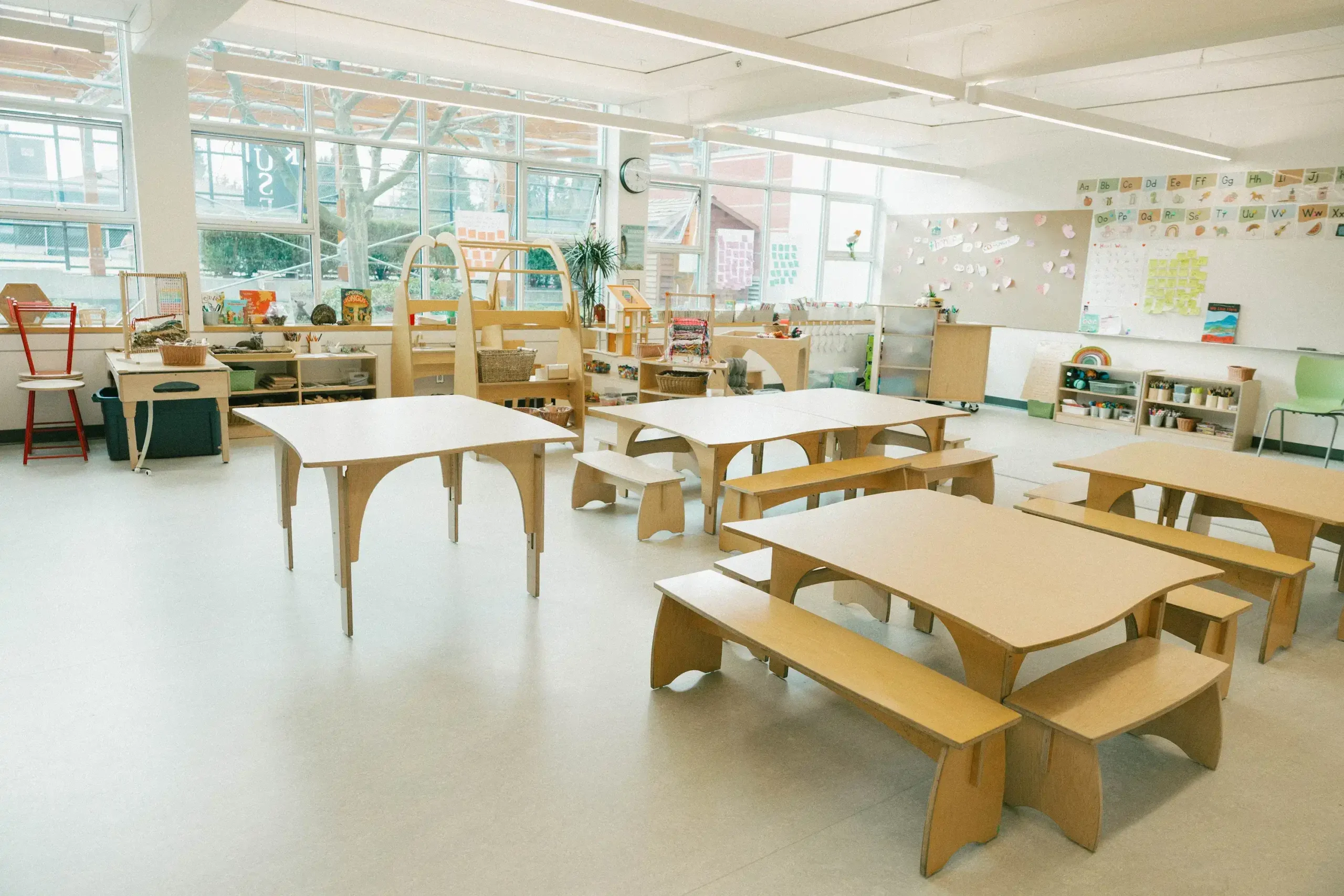
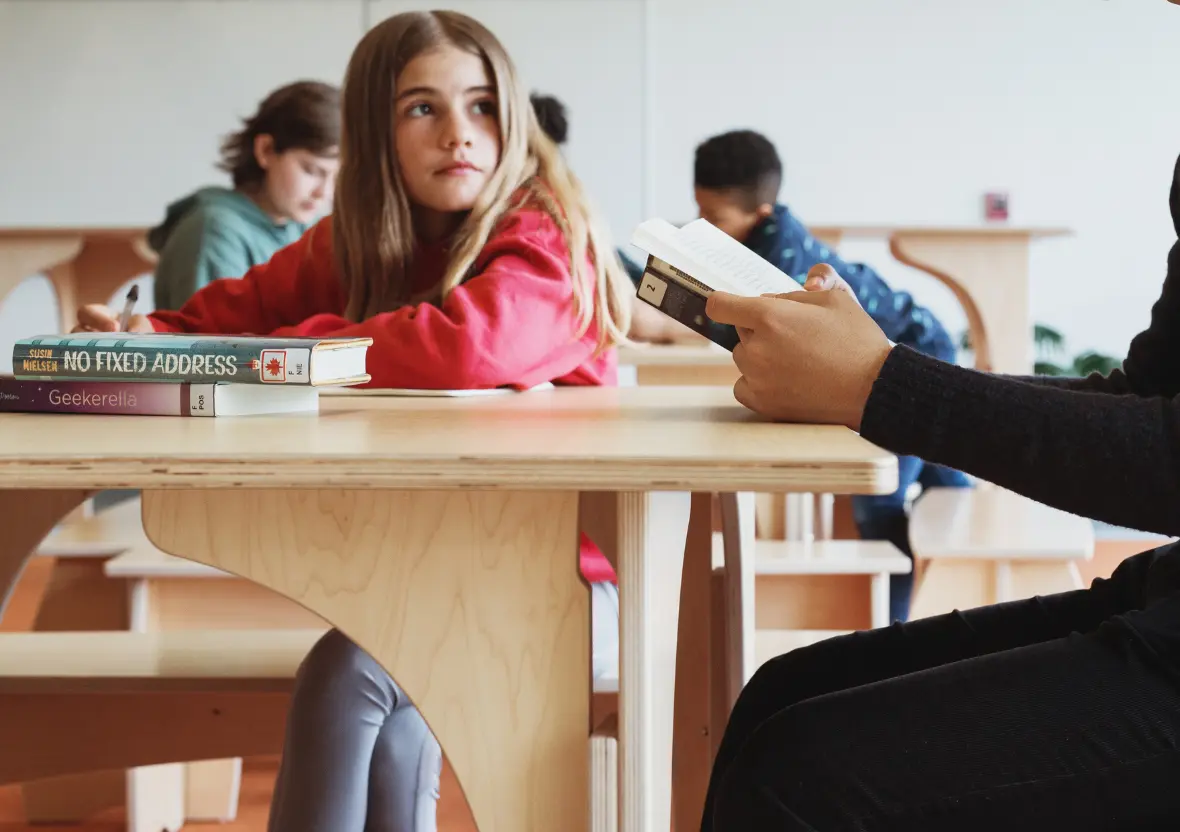
Dynamic Seating: Offer a variety of seating heights and types—stools, floor cushions, or standing desks—to accommodate different physical needs and energy levels.
Transition Readiness: Ensure the layout allows for easy movement between activities. Open floor space facilitates the physical transitions that many SPED learners require to reset their focus.
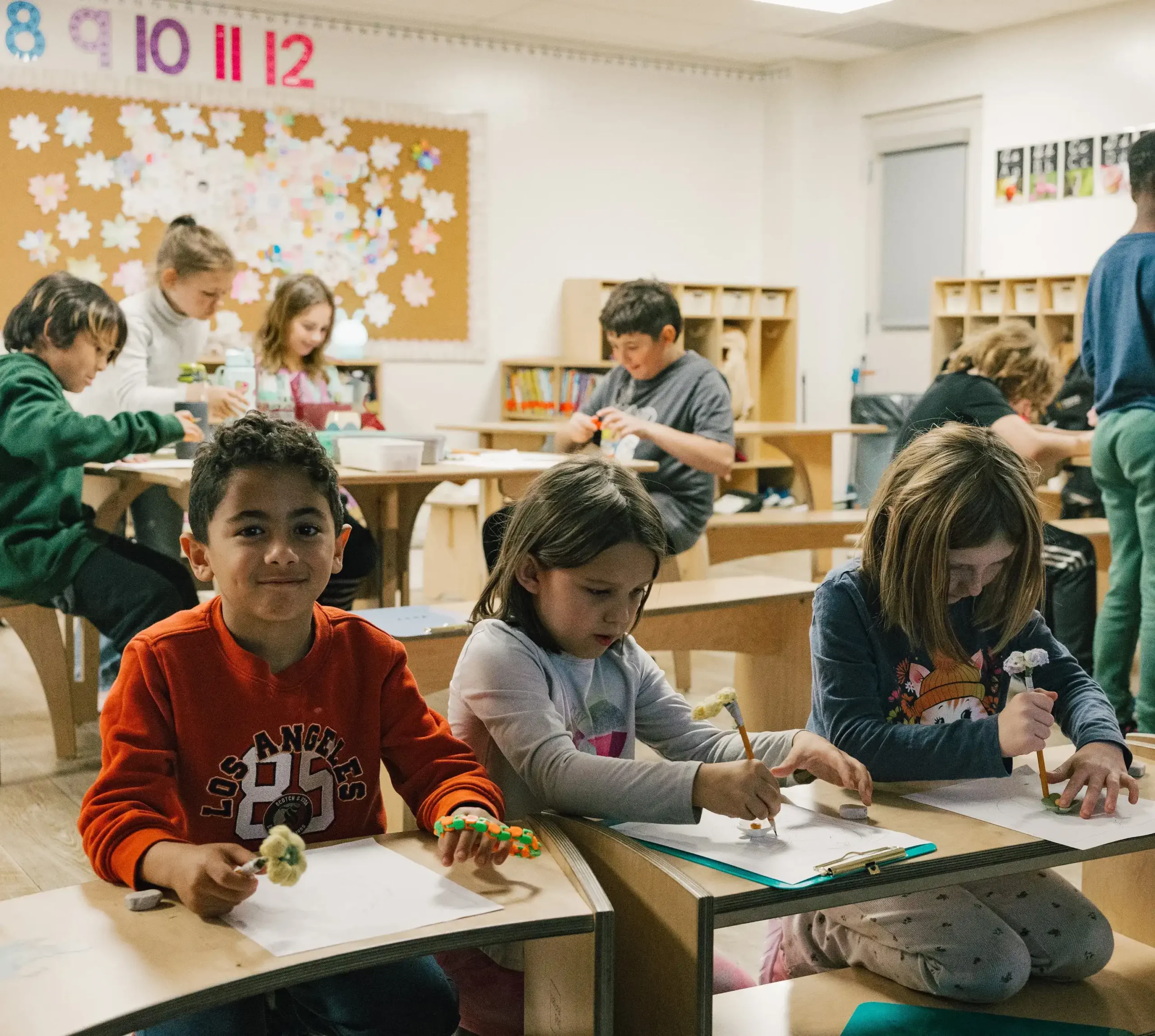
Fine Motor Development: Provide opportunities for tactile manipulation, such as sorting loose parts with precision tools. These activities build the proprioceptive awareness and control necessary for writing and self-care activities.
Predictability and Agency
For students with ASD or executive functioning challenges, a predictable environment is a safe environment.
Visual Clarity: Maintain clear sightlines and use organized, labeled, and accessible storage. When a student can independently locate their tools, their sense of agency increases while their anxiety decreases.
Cozy Escapes: Use versatile, open-ended dividers or shelving to create “rooms within rooms.” These areas offer a sense of privacy and focus, helping students feel secure and tucked away, while staying connected to the energy of the room.
Actionable Steps for Educators and Designers
Conduct a Sensory Audit: Walk through the space at the eye level of your students. Identify “hot spots” of high sensory input, such as flickering lights, noisy HVAC units, or high-traffic walkways that may cause distraction.
Incorporate Biophilic Elements: Integrate natural light, plants, and organic materials. Biophilic design has been shown to reduce cortisol levels and promote a sense of calm and wellbeing in students and staff.
Prioritize “Soft” Boundaries: Instead of hard walls, use greenery or low-profile shelving to create semi-private spaces. This allows a student to select more private areas to work that match their energy level while remaining under the soft supervision of the educator.
About the Author: Kelly Rosensweet
Kelly Rosensweet is a mother of 2 with a diverse background in education, public administration and commercial interiors. After 10 years of teaching middle school English Language Arts, Kelly transitioned into public administration. In her tenure with the Colorado Department of Education, Schools of Choice Unit, Kelly worked to support high-quality educational choices and to promote diverse and innovative school models. Today she supports Natural Pod as an Education Thought Leader, bringing her passion for sustainability and her knowledge of empowering learners with the skills, mindset and education to drive sustainable solutions, to this eco-friendly learning furniture company.
There is growing consensus among educators, neuroscientists, and child development researchers that the environments in which children learn matter as...
Download our Ideabook to find an elegant collection of beautiful, durable, sustainably made furniture solutions for early learning, elementary, middle and high school furniture, as well as library and common spaces. Let’s create exceptional learning environments together. Fill out the form below to get your copy.