The Design Mandate for Future-Ready Skills
The modern educational landscape requires a shift toward cultivating robust, future-ready skills such as collaboration, problem-solving, and resilience. These competencies are essential for success in rigorous Project-Based Learning (PBL) and Career and Technical Education (CTE) programs. While CTE is typically a high school focus, introducing career tracks through play-based learning in the early years sets the foundation for long-term success.

Intentional learning space design acts as the bridge, transforming foundational play into the academic competencies required for success in advanced curricula. Through the “Play-to-Purpose Pathway,” spaces are engineered to transition children from the freedom of play to the technical demands of their future careers.
Play as Cognitive Infrastructure
The journey toward career readiness begins by nurturing core cognitive and social skills. Play-based learning literally builds the infrastructure of children’s brains, developing executive function skills like problem-solving, attention, focus, and working memory (Yaffe et al., 2025).

These skills are major indicators of future academic and professional success. By designing environments that encourage creative risk-taking, we help children build the “soft skills”—communication, confidence, and resilience—required for advanced academic and technical industry work.
The Critical Imperative of Early Career Exposure
A significant challenge in secondary education is student retention in CTE programs; often, students lack the familiarity to confidently commit to a specific pathway. To solve this, career exploration should begin in early learning, kindergarten and elementary school.

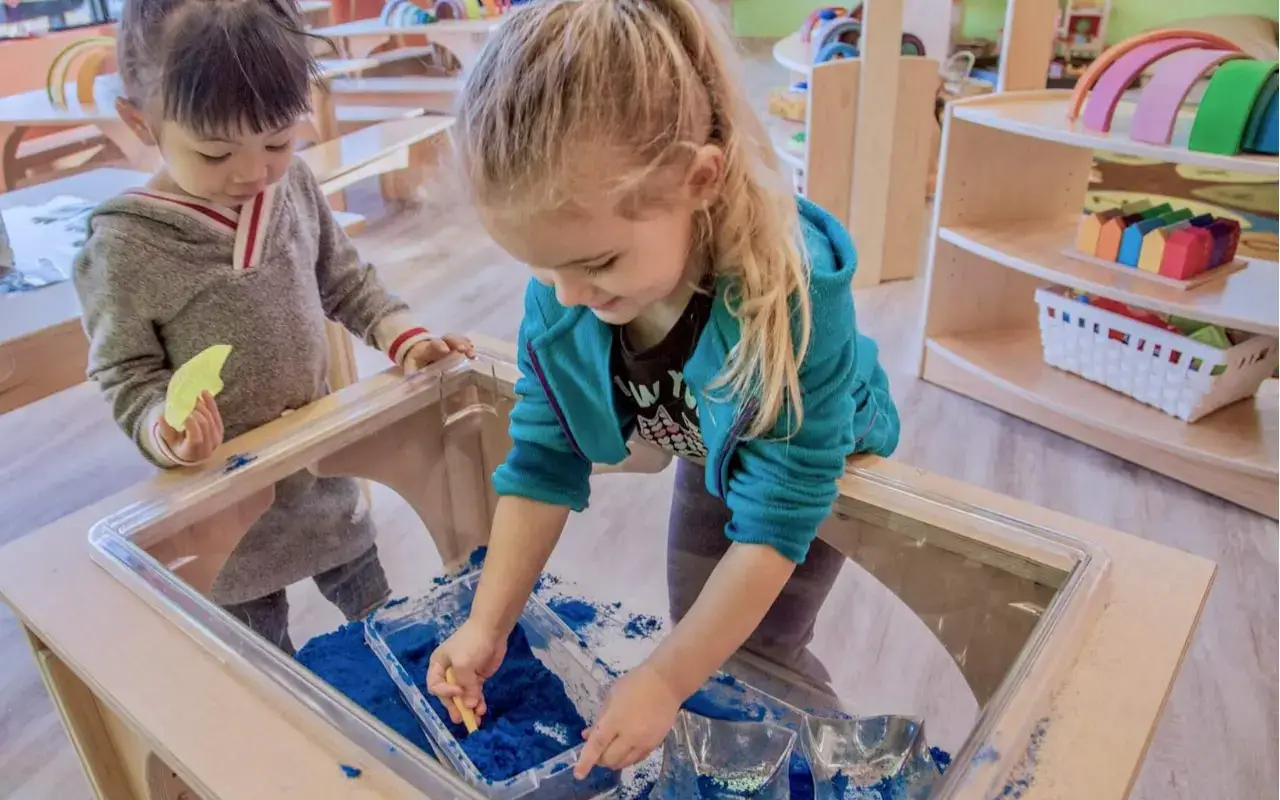
By introducing career-themed play and STEAM concepts early, we allow children to discover interests before the high stakes of high school. Tactile, hands-on experiences—such as using tools in a maker-space or building complex structures—mirror the real-world problem-solving required in trades and industry. Exploring careers through play, by setting up an automotive repair shop for toy cars, a dental practice for dolls or a veterinary hospital for stuffed animals exposes them to potential career opportunities.
“When children engage in this type of dramatic play, they are doing more than just imagining possibilities; they are igniting the first spark of career identity. It is a place where curiosity leads to confidence, and imagination quietly grows into the skills that will one day define a vocation. We miss a critical opportunity to support future CTE success if we do not tend those early sparks.” —Jayme Caruso, Regional Vice President, Meteor Education
Flexibility: Operationalizing Student-Centered Learning
To mirror the collaboration required in CTE curricula and the modern workforces, learning spaces must be inherently flexible.
- Modular Furniture: Adaptable layouts foster student agency by allowing learners to configure their environment for the task at hand.
- Self-Regulation: Defined activity zones and varied seating options teach students to match their activity to their environment and self-advocate for their learning needs.
- Longevity and Stewardship: Utilizing durable, high-quality wood products models environmental stewardship for students entering a green-conscious workforce

Prioritizing Health for Cognitive Clarity
The physical health of a learning environment directly contributes to academic success. Utilizing non-toxic, FSC-certified materials ensures that indoor air quality supports cognitive function. This is particularly vital in CTE-ready spaces, where focus and attention are paramount. Furthermore, incorporating natural wood tones and organic curves fosters a biophilic connection that has been proven to reduce stress and improve problem-solving, especially for neurodiverse learners (Determan et al., 2019, p. 23). By investing in healthy, purposeful design, we are building a supportive ecosystem where students have the physical and mental clarity to thrive in their future academic and professional lives.

Investing in the Long-Term Pathway
Intentional space design is the vital link between early play and CTE programs and professional success. Implementing a successful “Play-to-Purpose” pathway requires an investment in solutions that are as resilient as the students themselves. Durable, flexible, high-quality furniture offers a long-term value that goes beyond the budget; it provides a consistent, reliable framework for learning throughout a student’s educational journey. This longevity ensures that the physical environment remains a stable “Third Teacher” for generations of learners as they transition seamlessly from the classroom to the world of work.

Frequently Asked Questions (FAQs)
How does play-based learning prepare students for future careers?
Play-based learning acts as “cognitive infrastructure” for a child’s brain. According to the “Play-to-Purpose Pathway” framework, play develops essential executive function skills—such as working memory, focus, and problem-solving. These early experiences cultivate the resilience and “soft skills” required for success in advanced Career and Technical Education (CTE) and the modern workforce.
What is the link between early play and Career and Technical Education (CTE)?
Integrating career themes into early play helps solve retention issues in high school CTE programs. By exposing children to vocational concepts early—like setting up a mock automotive repair shop or veterinary clinic—educators help spark a “career identity.” As noted by Jayme Caruso of Meteor Education, this dramatic play allows curiosity to grow into the confidence needed for future vocational pathways.
Why is classroom flexibility important for play-based learning environments?
To mirror the collaborative nature of modern industries, learning spaces must be adaptable. Using modular furniture allows students to configure their own environments, fostering agency and self-regulation. This flexibility transforms the classroom into a “Third Teacher,” teaching students to adapt their surroundings to the task at hand—a critical skill for project-based learning (PBL) and future employment.
How does environmental design affect cognitive performance in students?
Physical health in the classroom directly impacts academic success. Play-based learning spaces designed with non-toxic materials and biophilic elements (natural wood tones and organic curves) have been proven to reduce stress and improve focus. This is particularly beneficial for neurodiverse learners, ensuring all students have the mental clarity required for rigorous academic and technical work.
About Contributing Author Kelly Rosensweet