15,000 Hours: An Invitation to Co-Create Intentional Learning Spaces

That is how long a child spends in a classroom between kindergarten and graduation. That is 15,000 hours of breathing, touching, and existing in a space that tells them who they are and what they are worth. If you have ever stood in a learning environment and known in your bones that the children inside deserved better—this invitation is for you.

At Natural Pod, we believe that a learning space is an active participant in a child’s development. It teaches before the teacher even speaks, demonstrating what is welcome, what is possible, and who belongs. Beauty in these environments is not a luxury; it is a vital, daily message, because children read the room long before they read the lesson.

Yet, as partners in design and procurement, we know the norm in schools across North America relies on “fast furniture”. It is an industry standard built on pieces that are cheaply made, quickly replaced, and destined for the landfill before the students who use them even graduate. This disposable approach to our schools is a broken promise to our learners and a heavy burden on our planet. We refuse to follow it.

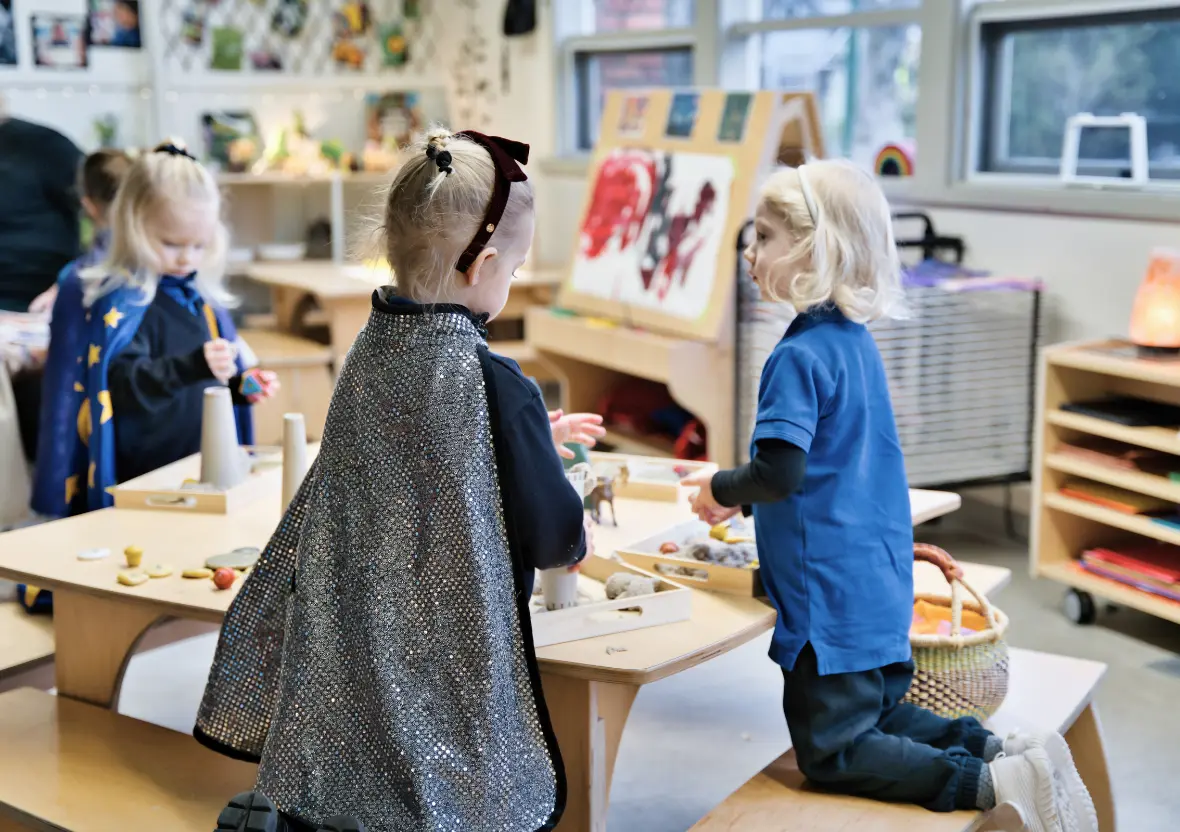
Children kneeling on benches in an intentionally designed learning space.

By intentionally designing environments that mimic nature’s fluidity, we create a powerful tool for pedagogical shifts—spaces that are open, adaptable, and alive to whatever a learner’s mind needs them to become. In providing this resilient, natural canvas, we stop dictating exactly how children should sit and learn, and instead empower them to be the true authors of their own possibilities.

We call this commitment “slow furniture”—the deliberate opposite of disposable. When we choose FSC®-certified solid hardwood over toxic materials like MDF, and we design pieces that grow with learners, we transform a simple classroom into a lasting ecosystem. In this way, quality is a profound form of advocacy.

But to our trusted dealer and A&D partners, we know we cannot change this cycle alone. We also know the realities you are navigating in the field. Because budgets are tightening, there has never been a more critical time to invest in institutional longevity. The most expensive furniture a school can buy is the kind that has to be replaced before the children using it even graduate.

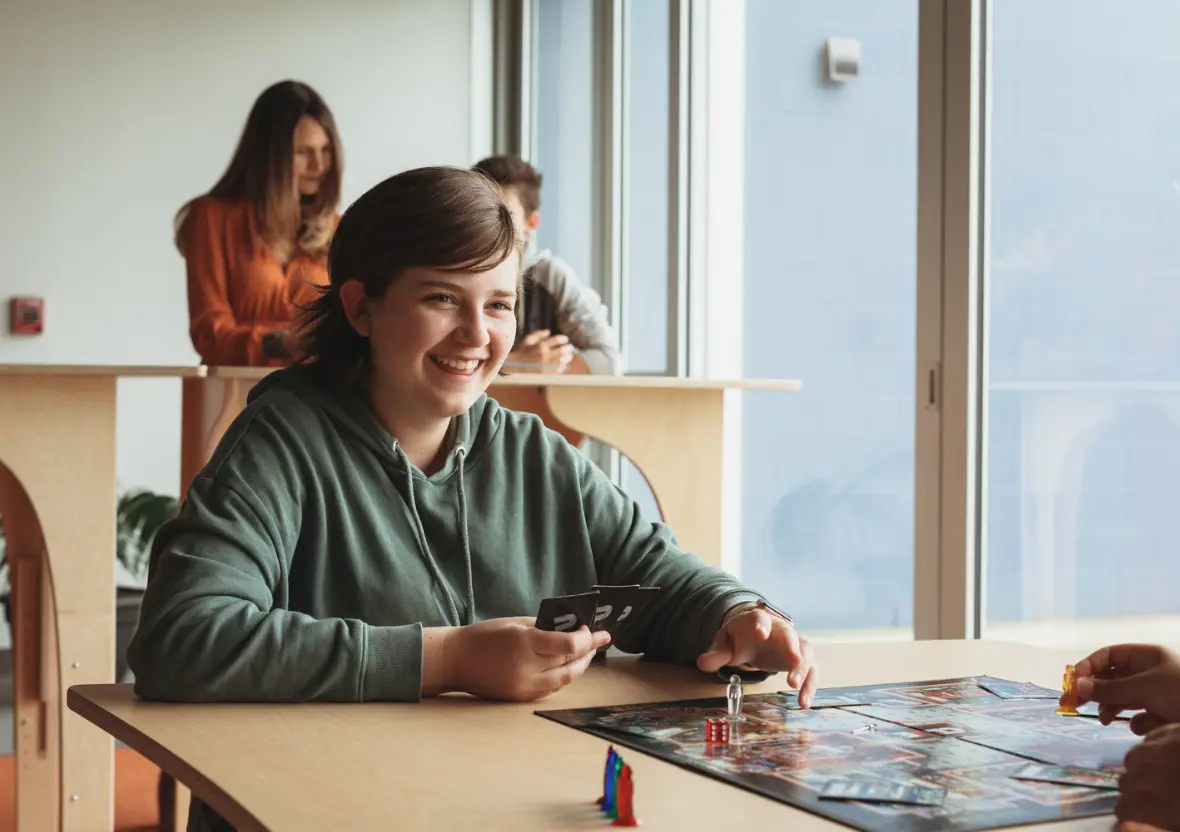
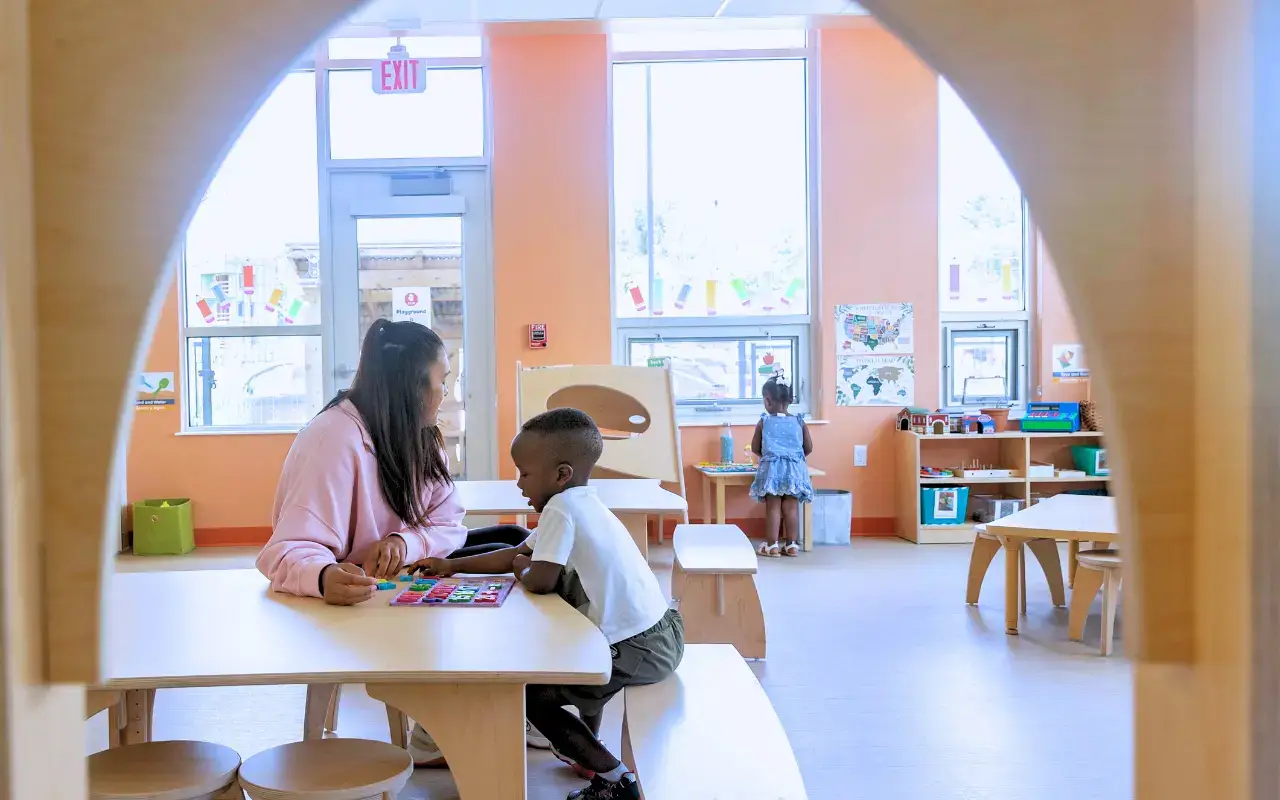
A girl smiles at her friend while playing a game at a sustainable classroom table.

When you are faced with your next procurement conversation or design meeting, we invite you to prioritize lasting impact over short-term convenience. Let’s ask the hard questions together: Where do these materials come from? What toxins are they giving off into the air our children breathe? And where will they go when we are done with them?

Let’s build spaces that outlast the budget cycle that bought them. When we design for a generation, the budget goes further, the space stays calm, and the unspoken message to every student who walks through the door is simply: we care. Together, we can ensure that every single one of those 15,000 hours is spent in an environment that proves to our children just how worthy they are.

Our paths forward in partnership:

  • Shared voices through speaking engagements
  • Meaningful presentations for your clients
  • Intentional collaboration on design projects
  • Empowering team-wide training sessions
  • Pedagogical professional development for clients
  • Immersive tours of active Natural Pod environments

Ready to advocate alongside us? Reach out to Kelly Rosensweet in Learning + Development and let’s talk about what collaboration could look like for you.

Let’s Change the Cycle together. Download a copy of our new Manifesto.

Kelly Rosensweet

About the Author: Kelly Rosensweet

Kelly Rosensweet is a mother of 2 with a diverse background in education, public administration and commercial interiors. After 10 years of teaching middle school English Language Arts, Kelly transitioned into public administration. In her tenure with the Colorado Department of Education, Schools of Choice Unit, Kelly worked to support high-quality educational choices and to promote diverse and innovative school models. Today she supports Natural Pod as an Education Thought Leader, bringing her passion for sustainability and her knowledge of empowering learners with the skills, mindset and education to drive sustainable solutions, to this eco-friendly learning furniture company.

View all posts by Kelly Rosensweet

Frequently Asked Questions

What is "slow furniture" and how is it different from standard school furniture?

Slow furniture is the deliberate opposite of disposable. It prioritizes FSC®-certified solid hardwood, non-toxic materials, and designs that grow with learners — built to outlast the budget cycle that bought them, not end up in a landfill before students graduate.

Why does school furniture matter for child development?

A learning space teaches before the teacher even speaks. Children read the room — what's welcome, what's possible, who belongs. The materials and design of an environment send a daily message about what children are worth.

Isn't quality school furniture too expensive for tight education budgets?

The most expensive furniture a school can buy is the kind that needs replacing before the students using it graduate. Durable, intentional design is a long-term investment that goes further over time, keeps spaces calmer, and avoids the hidden costs of constant procurement cycles.

What is fast furniture and why is Natural Pod opposed to it?

Fast furniture is the industry standard — cheaply made, quickly replaced, and destined for the landfill. Natural Pod sees this disposable approach as a broken promise to learners and an unnecessary burden on the planet.

How can design and procurement partners get involved in this advocacy work?

Natural Pod invites dealer and A&D partners to collaborate through speaking engagements, client presentations, design projects, team training, and immersive tours of active Natural Pod environments.

What does nature-inspired design look like in a school setting?

It means organic curves, rounded edges, natural materials, and layouts that move away from rigid rows — spaces that are open, adaptable, and alive to whatever a learner's mind needs them to become.

Recent News

15,000 Hours: An Invitation to Co-Create Intentional Learning Spaces
Updated: May 14, 2026

That is how long a child spends in a classroom between kindergarten and graduation. That is 15,000 hours of breathing,...

The Architecture of Behavior: How Biophilic Design Actively Shapes Student Actions
Updated: May 4, 2026

The physical environment fundamentally shapes human behavior, and in educational spaces, intentionally integrating biophilic design elements can positively influence student...

Breaking the Assembly Line: How Student-Centered Design Builds Curiosity, not Compliance
Updated: Mar 19, 2026

Traditional school buildings were designed for an industrial era that has long since passed. Mirroring a factory assembly line, these...

Download Change the Cycle

Download Change the Cycle

Is a child worthy of better? We have spent twenty years answering yes. We wrote Change the Cycle to name what the industry has been normalizing for decades.

Get the 5-Question Framework every educator has the right to ask before another dollar goes toward a landfill-bound chair. Fill out the form and we’ll send your copy immediately.