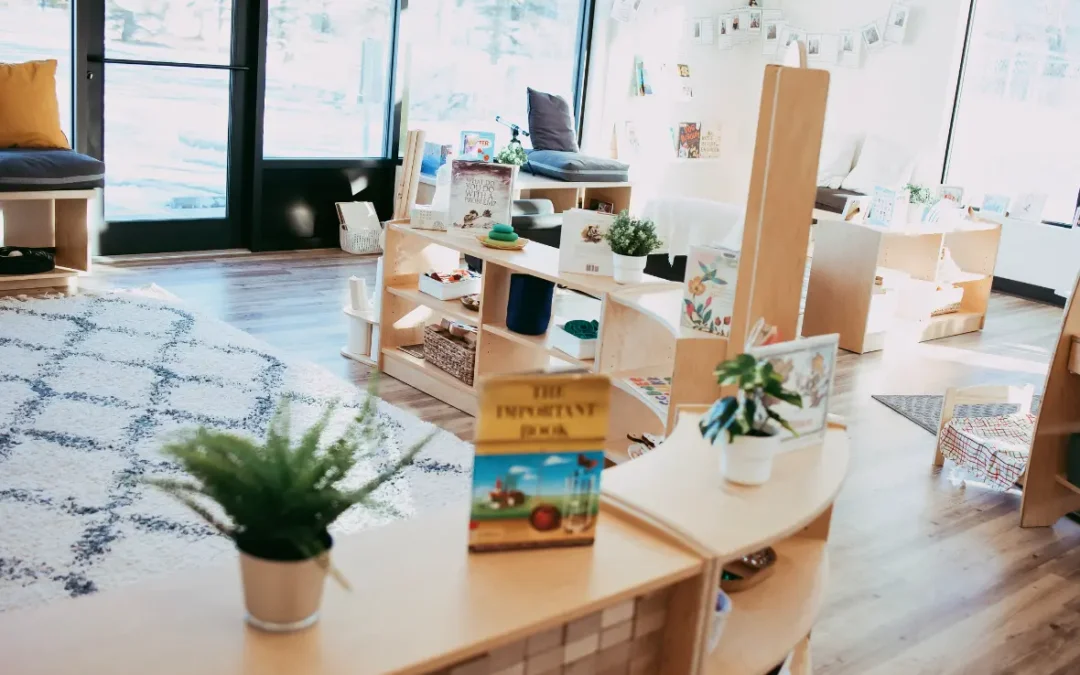
The physical environment fundamentally shapes human behavior, and in educational spaces, intentionally integrating biophilic design elements can positively influence student actions to drive better learning outcomes. While humans have an intrinsic need to connect with nature—a concept known as biophilia—urbanization and increased screen time have disconnected students from the natural world, leading to a significant rise in behavioral challenges.
Embracing biophilic design is not just an aesthetic trend, but also a necessary evidence-based strategy to reverse these negative behavioral trends. By curating spaces that respond to human biology, designers can alleviate stress and encourage the focused, engaged behaviors required for academic success.
Curating the Silent Dialogue
Every learning space—whether intentionally designed or accidentally arranged—maintains a “silent dialogue” with its occupants, proving that the built environment dictates whether a space merely houses students or actively nudges them toward better learning behaviors. Long before an educator provides instruction, the physical environment has begun to shape student actions.
Using the field of Applied Behavior Analysis and the ABC Model of Behavior (Antecedent, Behavior, and Consequence), we see that subtle environmental cues (antecedents) trigger specific actions (behaviors). By refining the silent signals of the physical space with biophilic elements, we can shift behavior outcomes and set students up for success before a lesson is ever taught.
Consider how this silent dialogue plays influences learning outcomes across three foundational elements of classroom design:
Lighting: Shifting from Glare to Glow
Lighting is one of the most immediate environmental cues a student processes. When a space relies heavily on fluorescent lighting, it introduces a negative antecedent; the bright, artificial glare and subtle humming noise cause physical tensing and eye strain. The consequence is an increase in task avoidance, distraction, and fidgeting. Conversely, incorporating abundant, dynamic natural light acts as a positive antecedent. Natural light allows children’s eyes to gently adjust to varying brightness, which supports sustained engagement, reduces migraines, and maintains circadian rhythms required for alertness and cognitive processing. (Nair et al., 2023)
Spatial Configuration: Designing for Self-Regulation
Spatial configuration dictates how the human body is allowed to move and rest within a room. Traditional, square rooms often act as negative antecedents because they do not accommodate varying energy levels, leading to sensory mismatch and an increase in behavioral disruptions. When these rigid footprints are replaced with varied spatial experiences—such as curved shelving and walls, canopy-like fabric ceilings, and enclosed nooks or “refuge” spaces—they provide positive antecedents.
The consequence is that children naturally sort themselves into micro-environments that match their regulatory needs. Active children can utilize open areas, while overstimulated children can independently seek out quiet nooks, fostering self-regulation and significantly decreasing disruptions.
Material Connection with Nature: Specifying Beyond Plastic
The tactile materials in a space communicate directly to a child’s nervous system. Plastic-heavy environments and furnishings often serve as negative antecedents because they amplify overstimulation, reduce a child’s sense of sensory grounding, and ultimately limit deep play opportunities.
Transitioning to natural materials acts as a positive antecedent. When a space utilizes intentionally designed, multi-functional pieces made from sustainable wood, it invites sensory-based exploration and regulates sensory input. The consequence of this material connection to nature is that users feel authentically grounded, secure, and capable of calm engagement. By utilizing natural pieces, designers effectively set the stage for healthier, more focused behaviors.
Measuring the Academic ROI
The data supporting the positive influence biophilic design has on human behavior is a powerful tool for justifying design choices and budget allocations. Biophilic environments are inherently health-promoting and restorative, known to combat mental fatigue and reduce the stress that creates barriers to learning.
When environments are curated to support human biology, the academic return on investment is highly measurable:
- Math Performance: Students in classrooms that incorporate biophilic design have been shown to score 3.3 times higher in math assessments compared to those in standard classrooms over a seven-month period. (Determan et al., 2019)
- Learning Rates: Classrooms with the most daylight see 7–18% higher test scores and demonstrate 20–26% faster learning rates. (Harrison, 2020)
- Focus and ADHD: Integrating plants and natural elements in learning spaces can improve performance by 10–14% and significantly reduce the impact of ADHD. (Ghaziani, 2020)
A Healthier Future: Empowering Occupants Through Intentional Specification
While early childhood is the ideal starting point for biophilic design, these environments should support a student’s entire learning journey. Research confirms that the impact of nature-connected spaces is profound across every grade level.
By intentionally integrating dynamic natural light, biomorphic shapes, and sustainably sourced, natural materials, we actively empower educators and give students the sensory-rich, calming environments they need to thrive. Ultimately, intentional biophilic design transforms education by positively influencing student behaviors and setting them on a trajectory for greater academic success and a healthier life.