
Traditional school buildings were designed for an industrial era that has long since passed. Mirroring a factory assembly line, these spaces were built on a model where students move sequentially from room to room for seated, direct instruction. This system was engineered to produce a standardized, quality-controlled “output“—a workforce of uniform thinkers. However, modern learning is not a passive event, and success in today’s world requires diverse, unique skill sets rather than quality controlled compliance. This outdated model directly contradicts our understanding of cognitive development and the future-ready skills students need to thrive. To move forward, we must transform our learning environments into spaces that support, rather than suppress, the individual growth of every learner. To truly break from the industrial model, this transformation cannot stop at the building design; it must fundamentally reshape the interiors and the furniture within.
Breaking the Assembly Line: How Student-Centered Design Builds Curiosity, not Compliance

The Failure of Traditional Furniture in Student-Centered Spaces
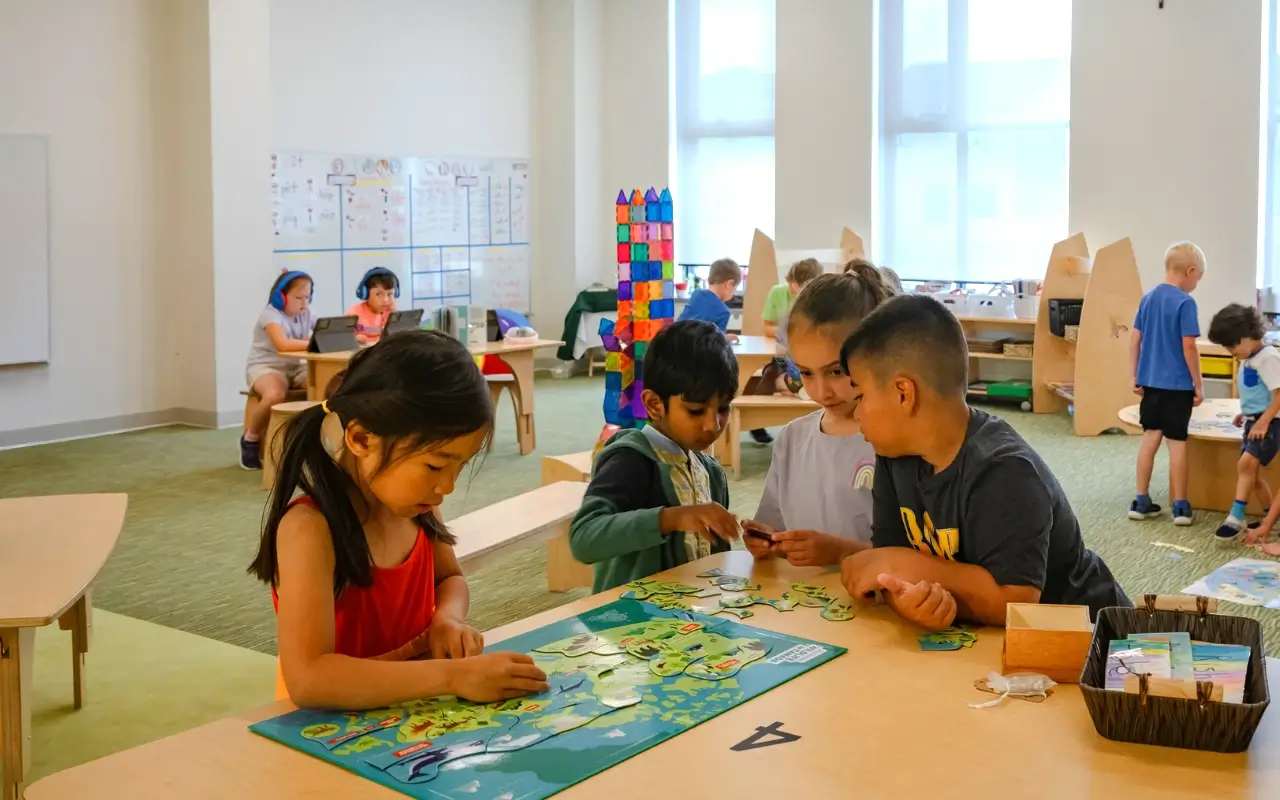
For decades, classrooms have relied on rigid, single-use furniture that demands reluctant compliance rather than active engagement. Outdated staples like ladder-back chairs and fixed desks were designed specifically for a “sit and get” instructional model. Furthermore, the common inclusion of large teacher desks or designated educator areas occupying valuable real estate further reinforce this top-down hierarchy. When furniture is static, it inherently stifles a student’s natural curiosity and prevents educators from acting as flexible guides.


Hindering Best Practices in Education
Outdated furnishings act as a physical barrier to best practices of modern education:
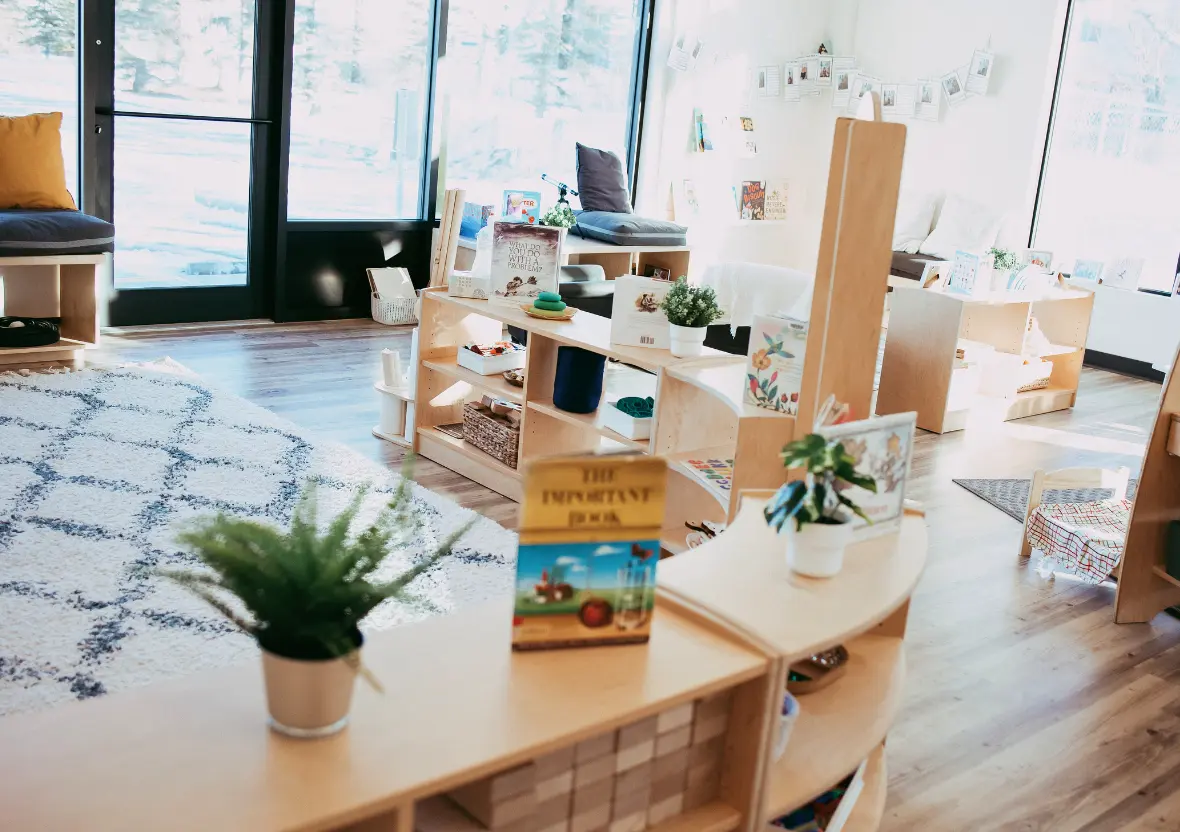
- The Environment as the Third Teacher: Instead of merely housing instruction, the physical space should be an active participant that sparks curiosity, encourages engagement and offers choice through its layout.
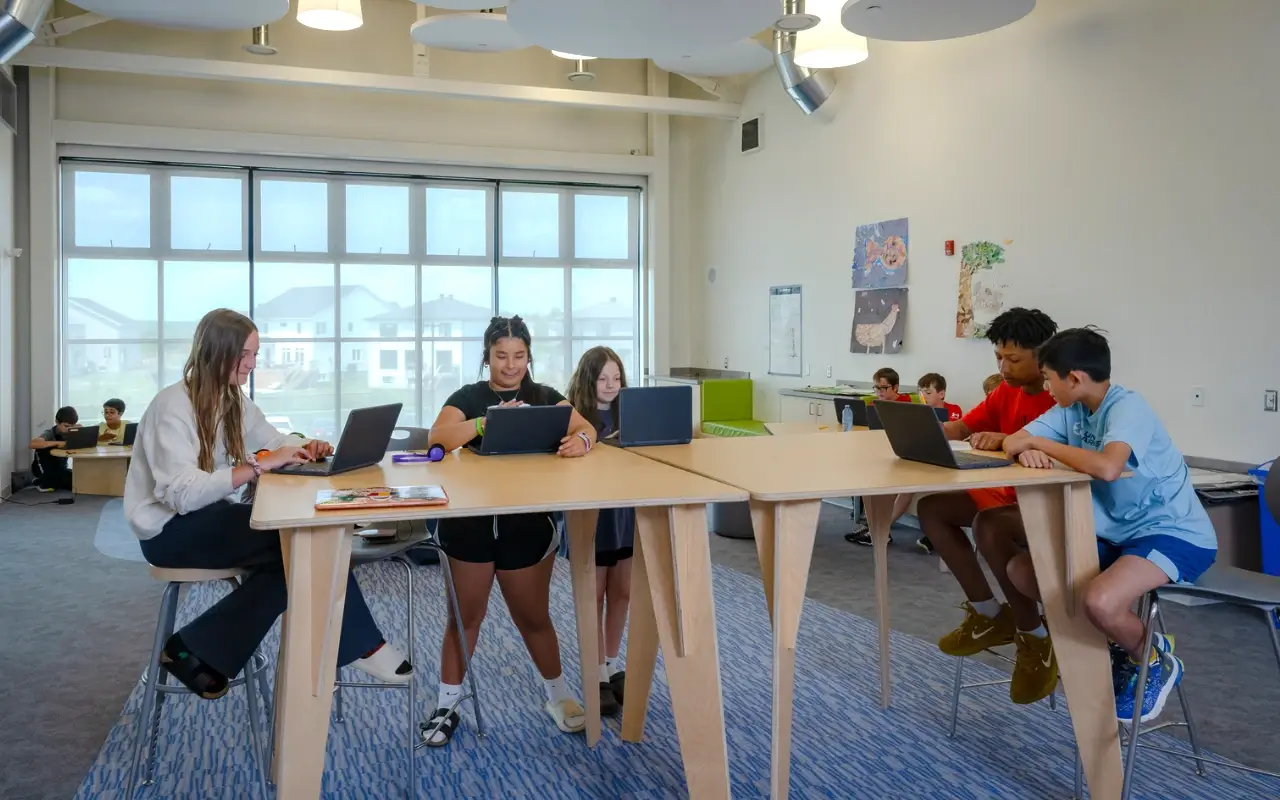
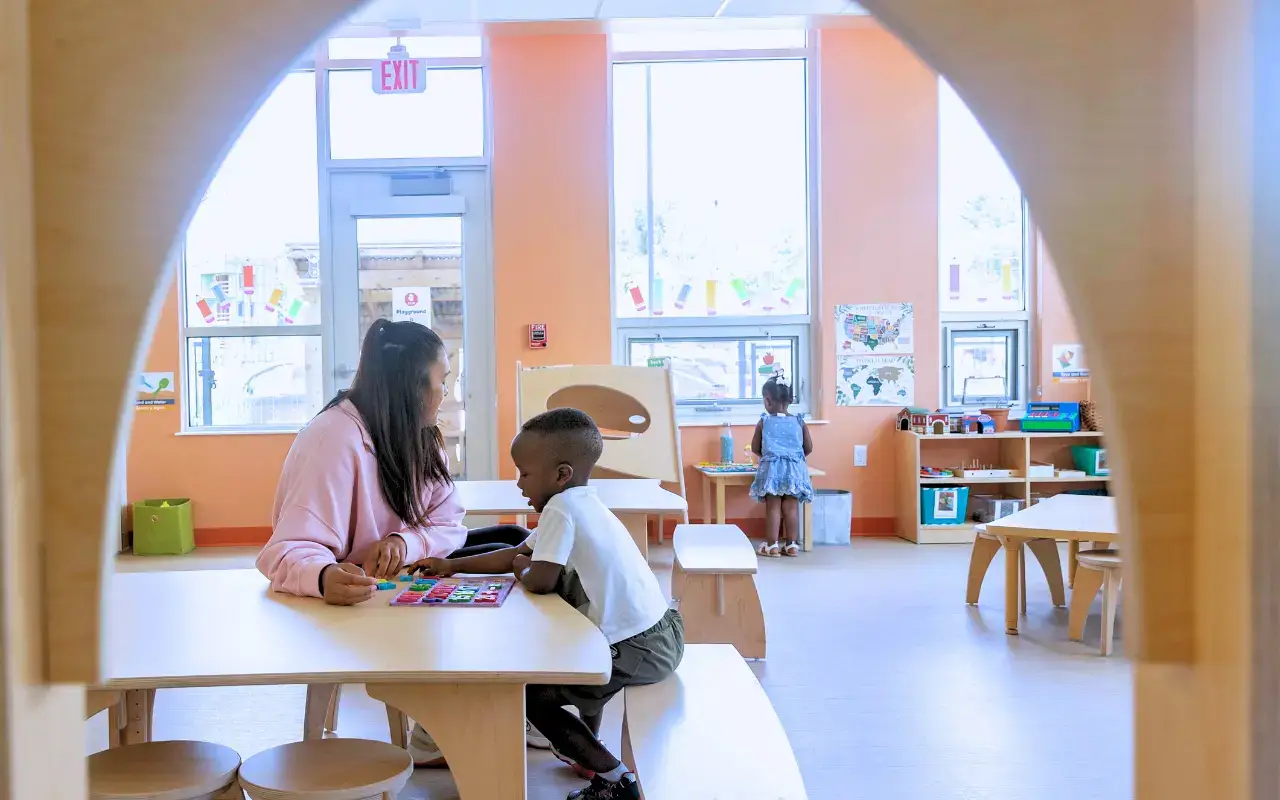
- Student-Centered Inquiry: Inquiry-based learning requires a “pedagogically agnostic” canvas—a space that allows students to choose how they learn best. Fixed desks and prescribed play sets prevent the classroom from adapting to the learner’s needs. Instead, the space should offer choice, flexibility and accommodate a variety of learning modalities ultimately leading to a more inclusive learning space design.
- Continuity of Care: Single-use furnishings are outgrown rapidly, creating a disjointed experience for students. True student-centered design must support the needs of both young and older learners as they grow. A better approach moves away from static environments and utilizes open-ended, multi-use pieces that adapt to the learner’s changing needs, fostering a sense of permanence and belonging as their inquiry becomes more complex.
- Biophilic Design: Traditional classrooms often utilize loud primary colors and synthetic materials that overstimulate the developing brain. Shifting to biophilic design—using natural materials and organic forms to bring the “outside in“—reduces stress and supports cognitive function.
The Hidden Dangers of "Fast Furniture"
A critical step in modernizing the classroom is actively rejecting the “fast furniture” cycle. Schools frequently fall victim to the “cheap furniture” myth, purchasing low-cost items that appear to be budget-friendly upfront but exact a massive long-term toll on both fiscal health and student well-being.
According to the World Economic Forum, extending product lifetimes is a key pillar of the circular economy, emphasizing design for durability and reuse. Independent analyses of ‘fast furniture’ note that particleboard and MDF pieces often last only about 3–5 years before failure or disposal. This planned obsolescence forces districts into a relentless cycle of procurement and disposal, contributing to the 8.5 million tons of office and educational furniture the EPA estimates end up in landfills annually.
Beyond the environmental impact, this cycle creates a toxic legacy within the four walls of the classroom. These budget pieces are often manufactured with synthetic glues and finishes that off-gas Volatile Organic Compounds (VOCs) into the air students and educators breathe for six to eight hours a day. When we prioritize the lowest bid over material integrity, we aren’t just buying a desk; we are compromising indoor air quality and increasing the cognitive load on developing brains. Investing in sustainable, low-VOC furnishings is not a luxury—it is an essential step in creating a non-toxic, calming ecosystem where learners can actually thrive.
Prioritizing Long-Term Value
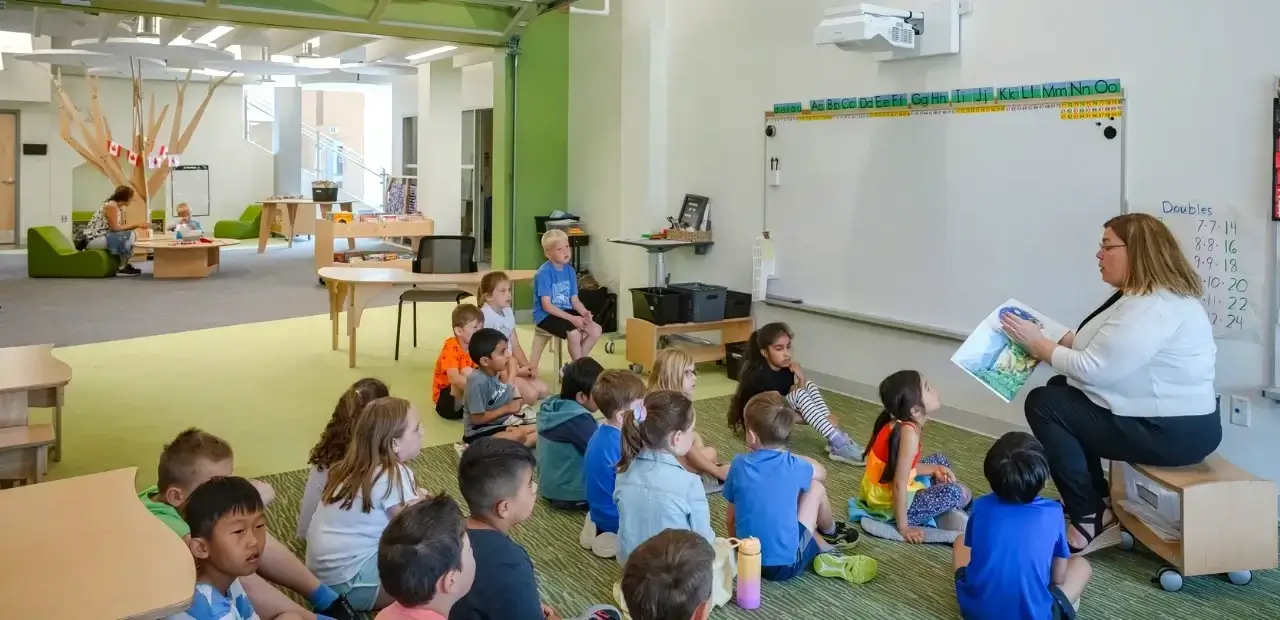
District and school administrators must prioritize long-term value over short-term cost to align physical spaces with modern learning. While “fast furniture” requires replacement every few years, sustainable, multi-functional pieces can last 15 to 20 years with minimal maintenance, resolving the chronic tension between budget and quality.
Furthermore, the environmental impact of this choice is staggering. By opting for materials like FSC-certified wood or bamboo, schools can reduce carbon emissions by 40–60% compared to traditional manufacturing methods (FSC, 2021; MDPI, 2025). These materials do not just occupy space; they actively sequester carbon and promote a non-toxic indoor climate, proving that the most sustainable choice for the planet is also the most responsible choice for students.
It is time to stop furnishing classrooms as if they are assembly lines designed for the lowest bidder. When we choose “cheap” over “sustainable,” we inadvertently choose compliance over curiosity and toxins over health. By advocating for flexible, non-toxic, and student-centered environments, we do more than just update a room—we ensure our schools finally match the active, multi-modal, and diverse way in which human beings actually learn.
Beyond the Lowest Bidder
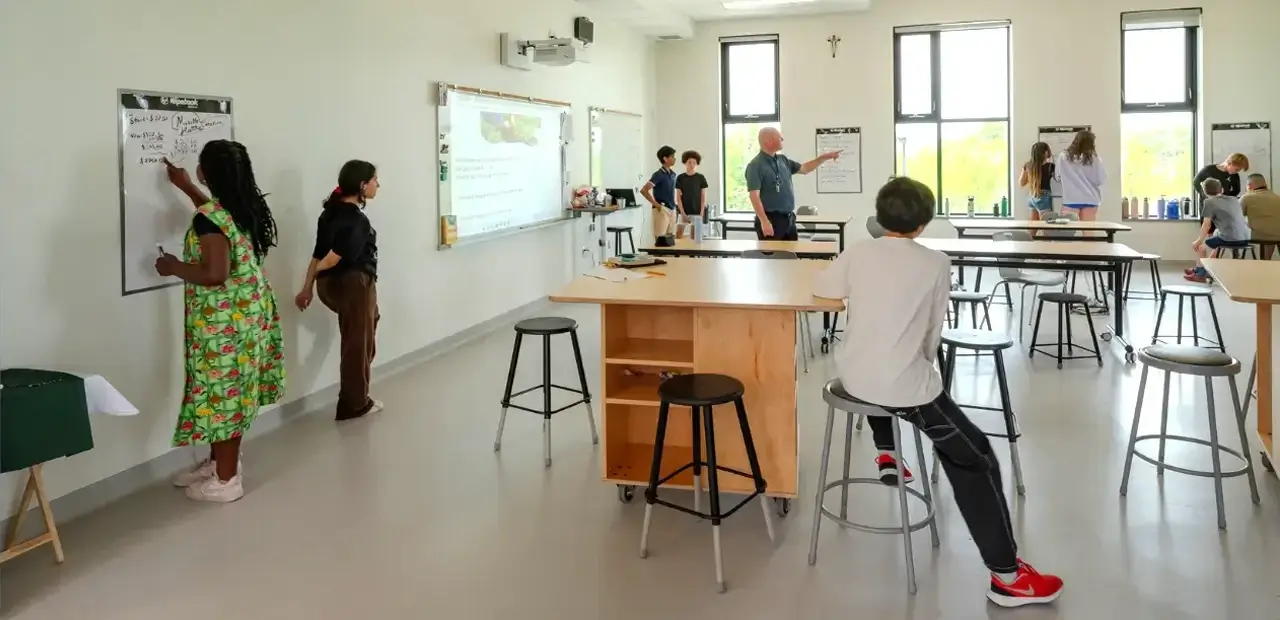
It is time to stop furnishing classrooms as if they are assembly lines designed for the lowest bidder. When we choose “cheap” over “sustainable,” we inadvertently choose compliance over curiosity and toxins over health. By advocating for flexible, non-toxic, and student-centered environments, we do more than just update a room—we ensure our schools finally match the active, multi-modal, and diverse way in which human beings actually learn.

Why is the traditional classroom model compared to a factory assembly line?
The article explains that traditional schools were designed during the industrial era to mimic an assembly line. Students are expected to move passively from room to room for direct instruction, with the goal of producing a standardized "output" of uniform thinkers. This model prioritizes compliance over the diverse, future-ready skills students need today.
How does outdated furniture actually hinder modern learning?
Rigid, single-use furniture (like ladder-back chairs and fixed desks) forces students into a "sit and get" mode, stifling curiosity and preventing teachers from acting as flexible guides. This setup physically blocks best practices like student-centered inquiry (where spaces need to adapt to the learner) and the concept of the "environment as the third teacher."
What is the problem with "fast furniture" in schools?
"Fast furniture"—cheap items made of particleboard and plastics—has a lifespan of only about five years, creating a costly cycle of replacement that fills landfills. More critically, these items often off-gas Volatile Organic Compounds (VOCs), which compromise indoor air quality and increase the cognitive load on developing brains.
What is "biophilic design" and why is it important for classrooms?
Biophilic design moves away from overstimulating primary colors and synthetic materials, instead using natural materials and organic forms to bring the "outside in." This approach helps reduce stress, supports cognitive function, and creates a calming, non-toxic ecosystem that is better for student learning and well-being.
What should administrators prioritize instead of the lowest bid?
The article argues that leaders must prioritize long-term value over short-term cost. By investing in sustainable, multi-functional furniture made from materials like FSC-certified wood, schools can save money in the long run (with furniture lasting 15–20 years) and significantly reduce their environmental impact while promoting a healthier indoor climate for students.
More from The Chalkboard
Breaking the Assembly Line: How Student-Centered Design Buil...
Traditional school buildings were designed for an industrial era that has long since passed. Mirroring a factory assembly line, these...
Read More
Get your copy of our Ideabook.
Download our Ideabook to find an elegant collection of beautiful, durable, sustainably made furniture solutions for early learning, elementary, middle and high school furniture, as well as library and common spaces. Let’s create exceptional learning environments together. Fill out the form below to get your copy.