As education continues to evolve, we believe in the power of collaboration and knowledge-sharing to inspire both educators and students. In this edition we wanted to dive into a topic that often sparks thoughtful discussions here at Natural Pod and among educators—“risky” play in learning environments.
What is Risky Play?
Risky Play refers to child directed activities where there is a potential for minor injury or physical challenge. This involves activities that allow children to test their physical limits and experience a bit of thrill. While these activities can seem dangerous, they are typically safe if managed properly and can help children develop confidence, problem-solving skills, and physical strength. They are also important opportunities for children to establish their own risk assessment skills.
In essence, risky play is a subset of unstructured play that involves higher levels of physical risk, but both forms allow children to be in charge of their experience and help foster creativity, resilience, and confidence.
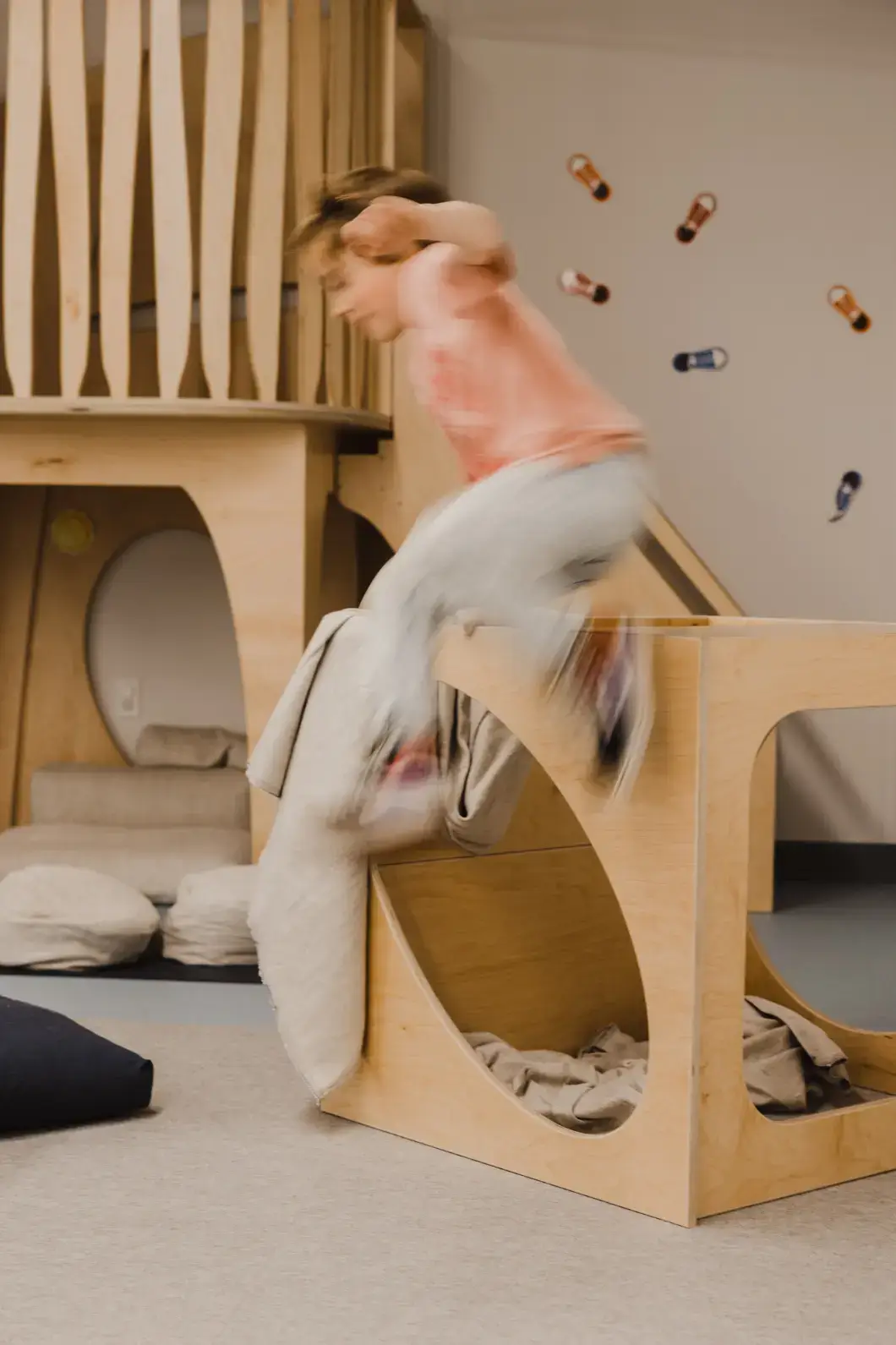
Examples of risky play:
- Climbing trees
- Jumping from a high platform
- Balancing on a narrow beam
- Rough and tumble play like wrestling
- Playing near water, with potential for falling in/getting wet
- Sliding down a steep hill
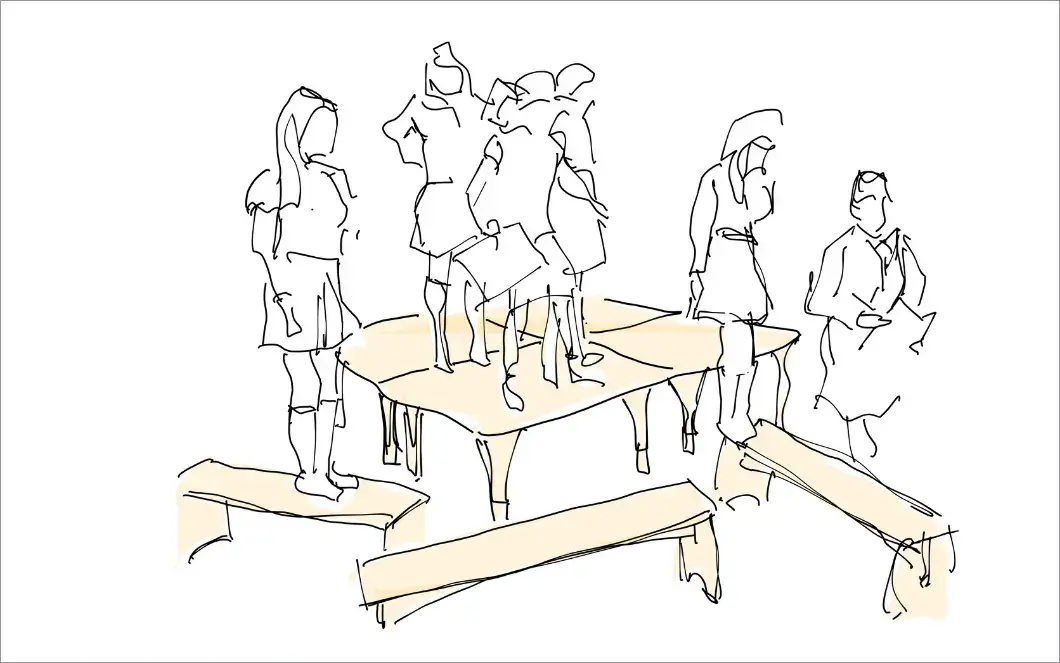
This concept is an important part of creating dynamic, progressive spaces where children can thrive. In our work with educators, we frequently explore how elements like benches and play lofts can be used to foster opportunities for creative risk-taking and developmental growth. These features help children engage with their environment in new and challenging ways, building resilience, problem-solving skills, and confidence—essential competencies for the future. These future-ready skills were also consistently referenced throughout sessions in 2025’s NAEYC, EDspaces, and Learning Scapes conferences, where there was a clear emphasis on the importance of nurturing these competencies.
Examples of unstructured play:
- Building a fort with blankets and chairs
- Playing dress-up
- Drawing or painting freely
- Playing pretend or make-believe games
- Creating stories with toys
- Exploring a natural area and finding interesting objects
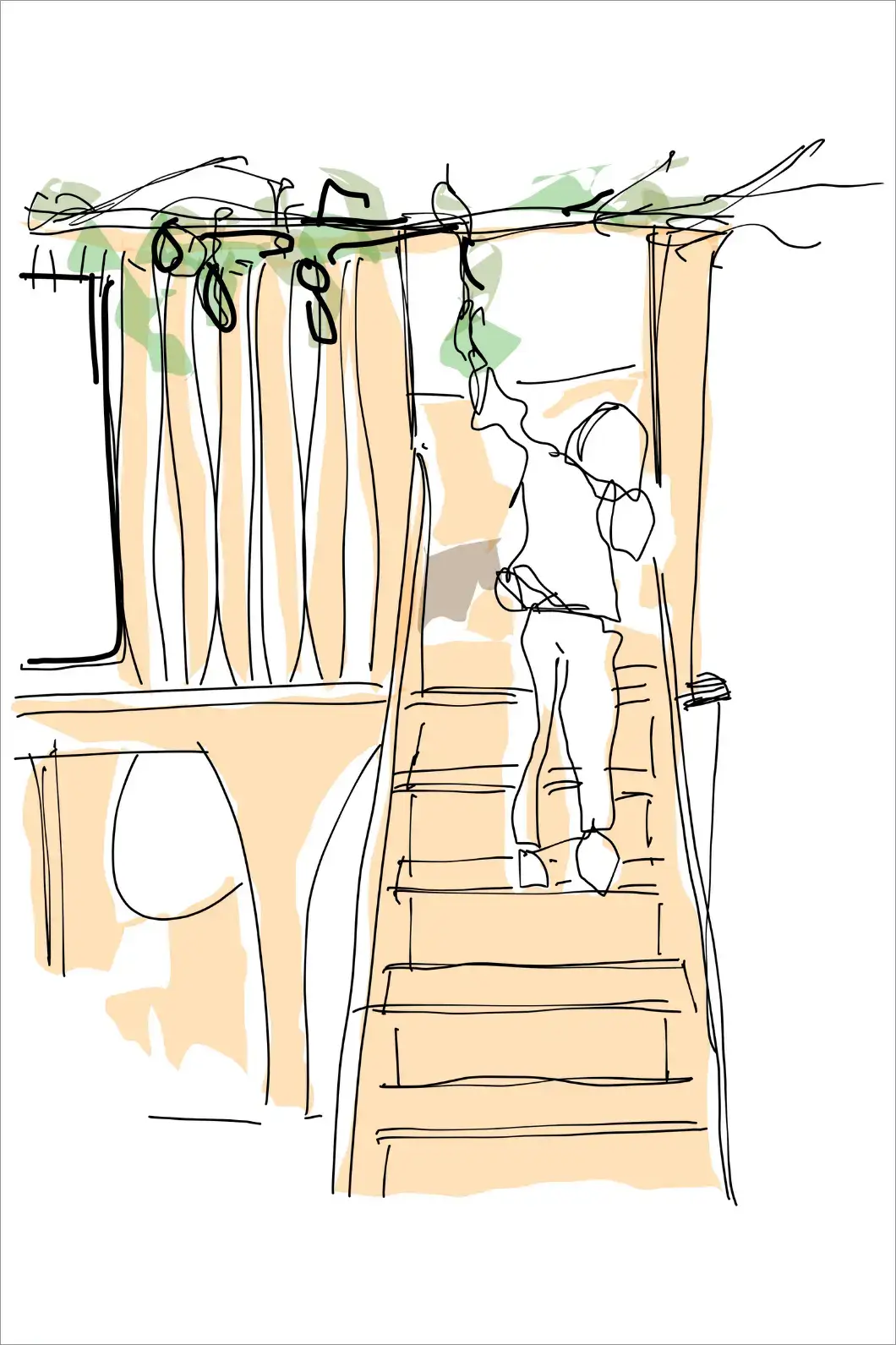
Highlighting the Benefits of Risky Play
Such discussions open the door to meaningful conversations about the changes we seek to foster in education. By highlighting the benefits of risky play, we can demonstrate how it fosters inquisitiveness, spontaneous learning, and active engagement among learners—vital qualities for navigating today’s world.
Research consistently emphasizes the significant role of risk-taking in children’s development. Engaging in “risky” play allows children to test their limits, develop problem-solving skills, and build resilience. When children navigate spaces with manageable risks, they engage more deeply with their environment and peers, leading to increased physical coordination, confidence, and social skills.
In the study, Adventure: The Value of Risk in Children’s Play published by Alliance for Childhood, the authors assert that when educators allow children to play freely, with appropriate oversight, they become more skilled in risk assessment, experience fewer injuries, engage more deeply in learning, and have more fun.
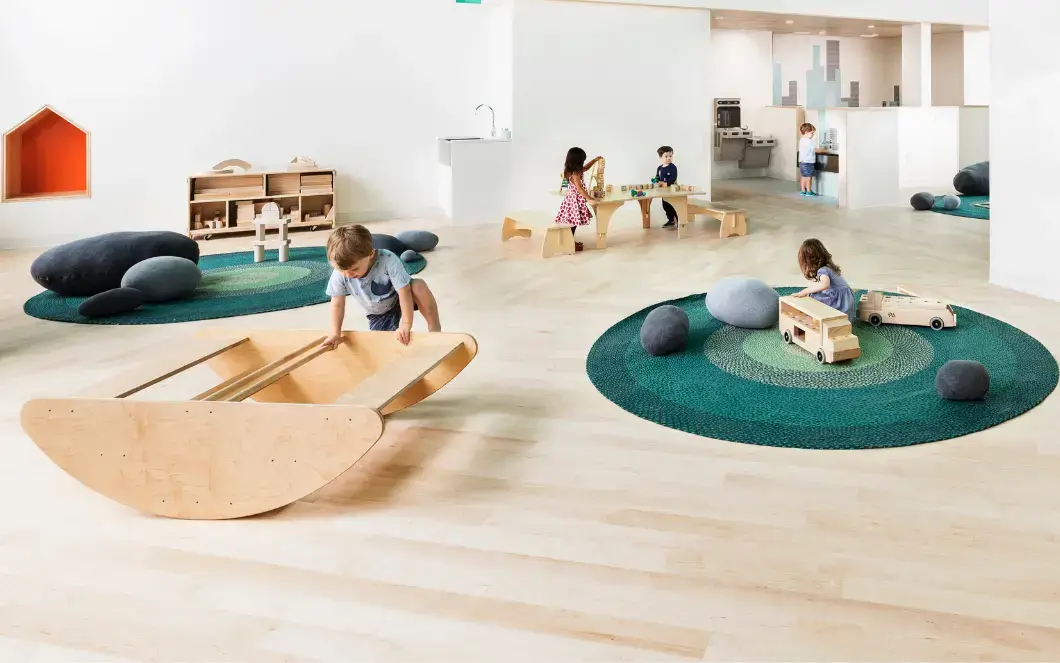
Risky Play and Resilience
Incorporating these elements into our learning spaces fosters an atmosphere where curiosity thrives. For instance, when children climb on structures or balance on benches, they aren’t just playing—they’re experimenting with physics, testing their strength and balance, developing fine motor skills, assessing risk and learning collaboration. This active engagement leads to spontaneous learning opportunities for educators to guide discussions and explorations.
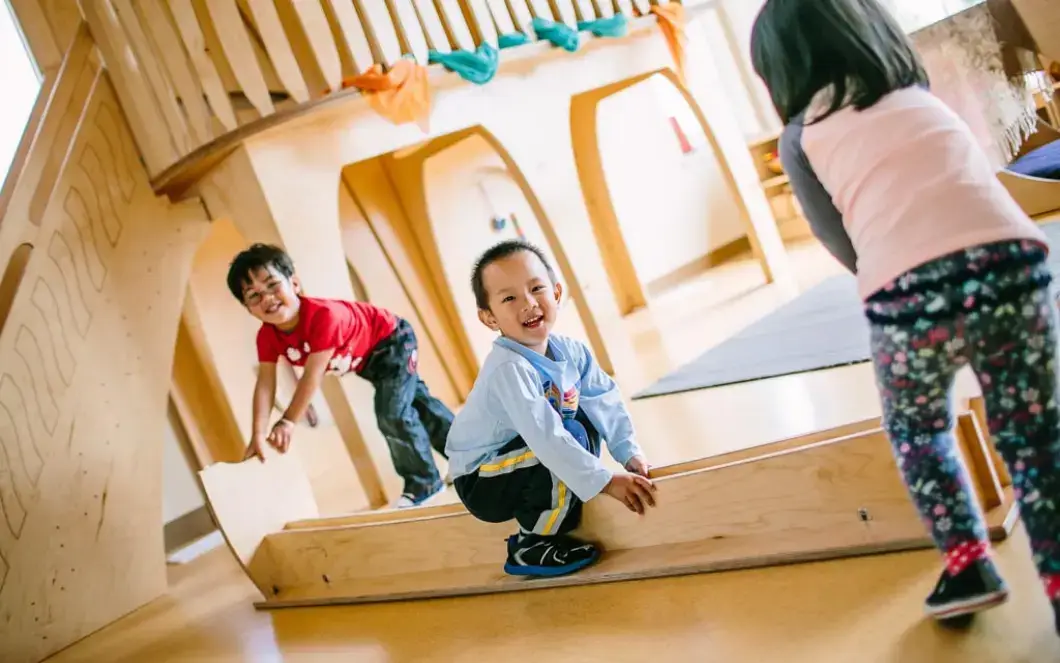
I recall a personal experience as a parent when my two-year-old son excitedly climbed a playground structure—not by the intended route, but up the exterior walls! Initially anxious for his safety, I rushed to intervene, but I paused when he turned to me with a beaming smile, exclaiming, “Look, Mommy!” Despite my nervousness, I chose to support his adventurous spirit, and he ultimately navigated to the top, filled with pride. In that moment, I realized the importance of allowing him this freedom to take risks. From that day on, my son approached playground challenges with newfound confidence and resilience—traits he still embodies today as a 5th grader.
Empowering Educators
Research indicates that children who engage in various types of play, including those seen as risky, are more likely to cultivate a lifelong love of learning. They become more inquisitive and driven to ask questions, seeking answers in play, life and academic contexts. All of which are the important skill sets they will need to navigate life in the future.
As we support administrators and educators in the design of their learning environments, it’s essential to prioritize these conversations. They can empower educators to incorporate more opportunities for “risky” play and foster innovation in their teaching practices.
Frequently Asked Questions (FAQs)
What is "risky play" in early childhood education?
Risky play refers to child-directed activities that involve a potential for minor physical challenge or injury, such as climbing heights, balancing, or moving at speed. It is a subset of unstructured play where children are trusted to test their own limits. While it may look dangerous, it involves “manageable risks” overseen by educators, allowing children to develop critical risk-assessment skills they cannot learn in sterile, overly safe environments.
How does risky play build resilience and future-ready skills?
Engaging in risky play is essential for developing resilience, confidence, and problem-solving abilities. As shared at the 2025 NAEYC and EDspaces conferences, these experiences teach children to navigate uncertainty and bounce back from failure. By testing their physical boundaries—like climbing a play loft or balancing on a bench—children are actually experimenting with physics and learning to trust their own capabilities, which fosters a lifelong love of learning.
Does allowing risky play lead to more injuries?
Contrary to common fears, research from the Alliance for Childhood suggests that when children are allowed to play freely with appropriate oversight, they actually experience fewer injuries. This is because they actively develop their own risk-assessment skills rather than relying solely on adults for safety. The study, Adventure: The Value of Risk in Children’s Play, reveals that this autonomy leads to deeper engagement and better physical coordination.
How can learning environments be designed to support safe risk-taking?
To nurture creative risk-taking, learning spaces should include dynamic furniture like Wonder Play Lofts and stable Share Benches. These elements provide safe opportunities for children to climb, jump, and explore verticality. When designed intentionally, these environments allow children to test their strength and balance (motor skills) within a secure framework, turning the physical environment into a tool for building confidence and social collaboration.
About Contributing Author Kelly Rosensweet